
Compassionate, personalised support for individuals living with dementia and their families, offering gentle guidance, emotional reassurance, and dignity throughout the end-of-life journey.
Better Endings began with a personal realisation.
One person every three minutes will develop dementia this year. (Alzheimer’s Society)
The choices we make about end of life care are very individual. If you are living with dementia or supporting someone who has dementia, talking at an early stage about what is important can help reduce anxiety and bring peace of mind.
We can support you to start the conversation with friends and family, to speak openly and honestly together about how dementia may progress. Being part of the discussion and knowing your decisions means those closest to you can feel confident in making requests on your behalf later on.
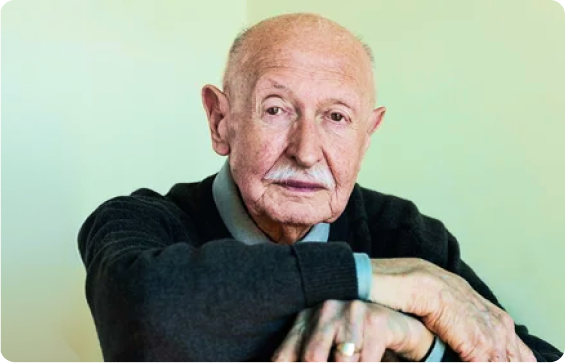
Dementia is unique to the individual and effects everyone differently. Symptoms can be mild at first but will change and get worse over time. Before this happens, it is useful think about how you would like to manage your health. It can be recorded as part of an Advance Care Plan.

Many people with dementia live independently in the early stages and do not need care immediately. If you live with someone, it is worth considering early on how much support they could give you as symptoms develop and if this is manageable. You can decide together whether the help of a care professional might be useful, too, and what you might want to happen over time.
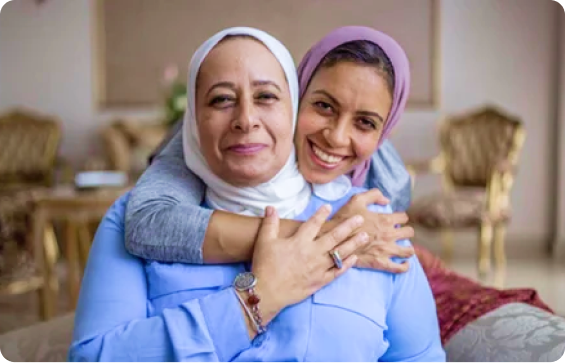
You may prefer to remain at home, where things are familiar, and you have your own routine. More help and assistance could be gradually introduced to help you stay there or you might want to look at places offering assisted living, or a care home.
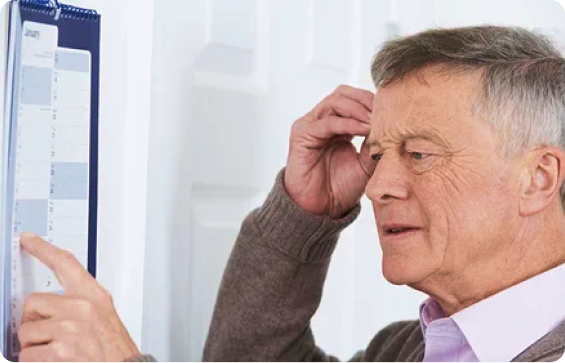
We can tell you more about how to get your affairs in order and record any decisions you may want to make about finances. This can include anything from how to appoint a Lasting Power of Attorney to what funding or benefits may be available to you to help with future care.
Please find answers to some of the common questions we get asked below.
We will work with your company to create a tailored support programme.
This can be an overview of Advance Planning for End of Life in a group discussion to start the thinking process, and is positioned as an aspect of Life Planning, or it could be advice on curated resources, eulogies and legacies. It could be a workshop with scenarios and conversation openers to a one on one offering for individual employee support if they have a family member who has received a terminal diagnosis.
The role is modelled on a Birth Doula whose role is to provide non-medical support during childbirth, and Doulas are increasingly being employed to be there at the end of life too. We are trained to support the dying and their families with practical and emotional support – from the psychological and physical aspects of dying to the complex clerical stuff afterwards.
There is so much fear and anxiety about death, and the Doula is able to bring a sense of calm to the dying, and to the whole family around them. Doulas help open up the conversation about death and loss which are so often initially deeply uncomfortable for the dying and their family. A lot of people realise on their deathbed that life is about relationships and love, and Doulas help families with communicating this and can help them towards resolving unfinished business, and towards the acceptance of regrets.
We can help with legacy work, creating something tangible, some memento for the dying person to leave behind. We guide a family through the dying process so they know what to expect and what is normal as people enter the active dying phase. We can be there to support the vigil, and after the death to help with the early grief stages when the ‘casserole brigade’ has come and gone and everyone’s gone back to work.
Employees can be confident that any discussion will remain confidential – and are between them and either Louise or Penny at Better Endings.
We will help you understand the implications of dementia at the end of life, help you put in place Lasting Power of Attorney agreements, and help you with Advance Care Planning. We can help with creating legacy projects.
At any time from the point of diagnosis of a life limiting illness up to the final days. We may remain involved with a family for weeks or months after the death, if it will bring benefit and support them through the early days of bereavement.
Yes – every family is different and we work in a human centered way to ensure that dying well is part of living well.
Talking about death won’t make it happen. Your first conversation with us is free, and you don’t need to have the words ready.
Fill in the form below and tell us what you’re looking for. We’d love to hear from you.