

What are the most important conversations we aren’t having?
Dying is not only a medical event. It is a human one.
An end of life diagnosis raises many questions that we are often too uncomfortable to ask. Many of us will care for someone who is dying at some point in our lives.
Yet when it happens, we can feel remarkably unprepared.
What do we say? What should we expect? What decisions need to be made? How do we know what someone wants? And how do we support the people we love without becoming completely overwhelmed ourselves?
Better Endings provides end of life doula support to make those conversations, and that experience, a little easier. We offer independent non-medical support for people approaching the end of life and for the family and friends alongside the.
Sometimes that means helping someone think what matters to them and what they want from the time left.
Sometimes it means navigating practical decisions and the health and social care system
Sometimes it means helping a family understand what dying may look like.
And sometimes it simply means being there. A good end of life looks different for everyone. For one person it may mean beign at home surrounded by family. For another, excellent hospice or hospital care. Some want to talk openly about dying: others don’t. Some want to plan everything, Others want to take each day as it comes. Our role is to help you work our what matters to you.
What is an end of life Doula?
An end-of-life doula is someone who will be alongside you when life becomes uncertain. When someone is seriously ill or approaching the end of their life, healthcare can become extraordinarily busy. There may be consultants, GPs, district nurses, hospice teams, carers, appointments and decisions. All of these are enormously important, but dying is about much more than healthcare. It affects relationships, identities, family, home, work, finances, hopes and fears, and the meaning we make of our lives.
An doula works in this space. We are non-medical practitioners — we do not replace the medical team, but we work alongside them. Our role is to provide continuity and time, to support you in living according to your wishes, and to be your advocate. We listen, help with planning and practical needs, hold conversations about what matters to you, and support family and loved ones through the emotional, social and spiritual aspects of dying and bereavement.
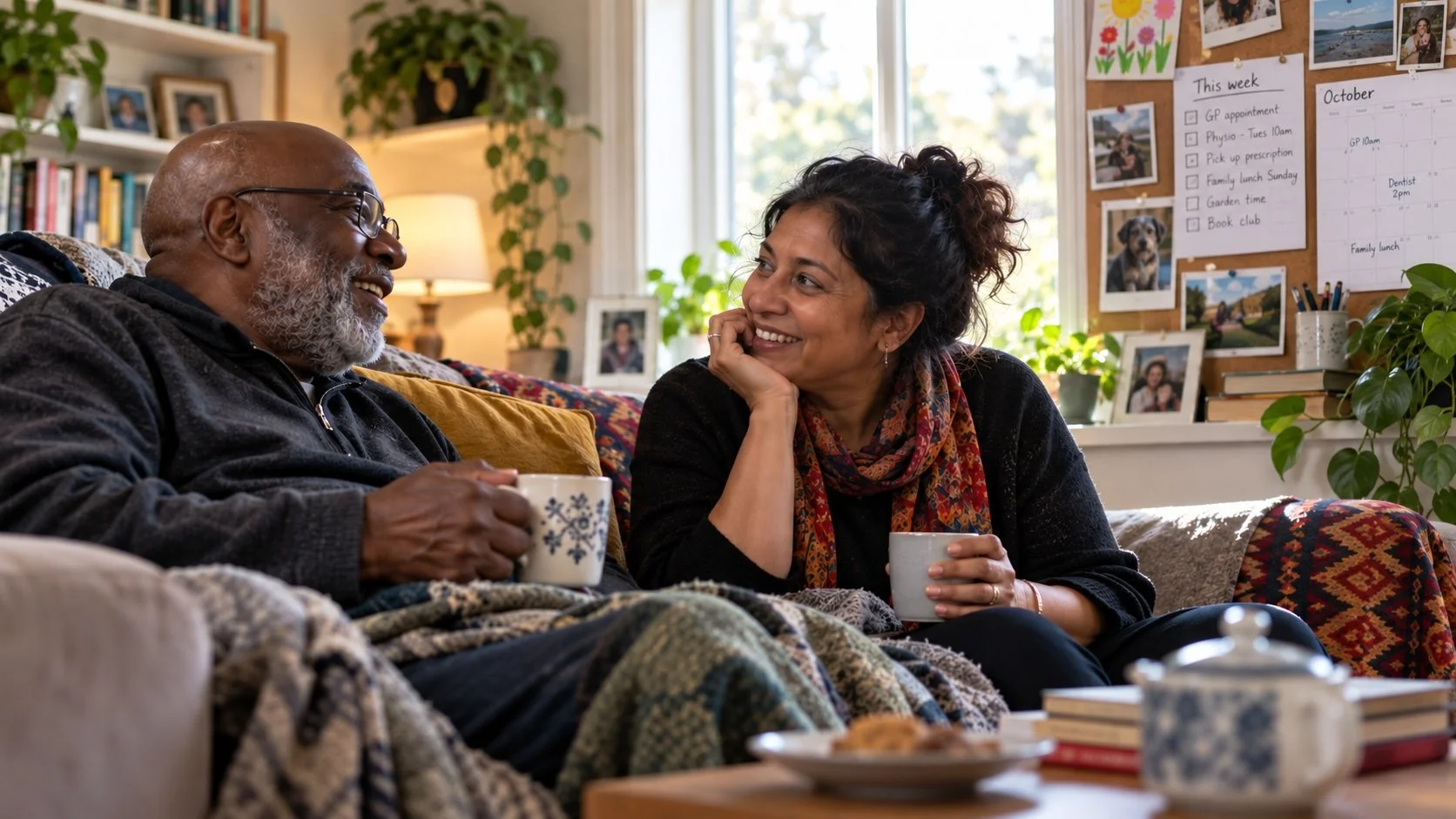
There is no single way to die well.
A good end of life looks different for everyone. For one person it might mean being at home, surrounded by family. For another excellent hospital or hospice care. Some people want to talk openely about dying; others don’t. Some want to plan, some want to take each day as it comes. Our role is not to tell you what a good death should look like. It is to help you work out what matters to you and to help that happen.
A doula can help with
conversations about dying and what matters
advance care planing and understanding your choices
navigating health and care services
practical preparation
supporting friends and family
understanding what to expect as someone becomes unwell
bedside support
what you want your legacy to be
guidance immediately following a death
early grief support
You don’t need to know exactly what you need before contacting us. Often the first conversation. is simply about what is happening.
There isn’t a doula checklist because there isn’t a standard experience of dying - but it can include any of the following
What is an end of life doula?
Someone along side you when life becomes uncertain. When someone is seriously ill or approachig the end of their lide, healthcare can become extraordinarily busy. There may be consultants, GP’s. district nurses, hospice teams, medications, appointments and decisions. All of those people can be enormously important. But dying is about much more than healthcare. It affects relationships, identity, family. home, work, money, hopes, fears and the meaning we make of our lives. An end of life doula works in this space. We dont replace medical support, we work along side it to provide continuity, time and a relationship with someone who will stay along side you as circumstances change.
“What might this mean.
It might mean sitting around a kitchen table helping a family finally talk about what everyone has been avoiding.
Helping someone prepare questions before an appointment.
Finding out what support exists locally
Talking about fears
Talking about funerals
Talking about life.
What might this mean ? Support for Families Planning ahead.
You dont have to know how to do this.
Families often have to become experts in dying overnight. One day you are a daughter, husband, son, sister or partner. The next you may also be a carer, advocate, appointment organiser, benefits researcher, and interpreter of an unfamiliar healthcare system. All while facing the possibility of losing someone you love. We can help families understand what is happening, and help you prepare for something families frequently tell us they fear.
What will dying actually look like?
Planning ahead
Talking about death wont make it happen but avoiding it can leave other people making difficult decisions on our behalf.Planning ahead isnt about controlling every detail of yuour lie, but it does give the peopke around you a road map.
What matters to you?
What would you want if your health deteriorated?
Where would you ideally like to be cared for? What treatments would you - or wouldn’t you want. Who needs to know?
We can help you put your preferences in place. The paperwork and the conversations matter.

We can support you if are living with dementia or supporting someone who has dementia.
We can support you to start the conversation with friends and family, to speak openly and honestly together about how dementia may progress.
We believe that dying well is equally as important as living well.Our employee wellbeing workshops, seminars and individual End of Life Doula support programmes cover all end of life issues. Typically they range from end of life planning for the emotional, physical, legal and financial aspects of dying, to supporting psychological wellbeing in the workplace.
“To die is human. Anything human is mentionable. Anything mentionable is manageable”
— Fred Rogers- A beautiful day in the neigbourhood

Case Studies
Whilst every need is individual, two scenarios discussed on our case studies page show the different ways we can work with you to help and support you.

FAQs
What is an End Of Life Doula?, What are Employee wellbeing programmes? Find answers to these and other commonly asked questions on our Frequently asked questions page.

Let’s talk
Everything about dying is being radically rethought, from making the experience more humane, having funerals which are more representative of who we are, and people coming to explore death as part of a mentally healthy life. Get in touch to see how we can help you.